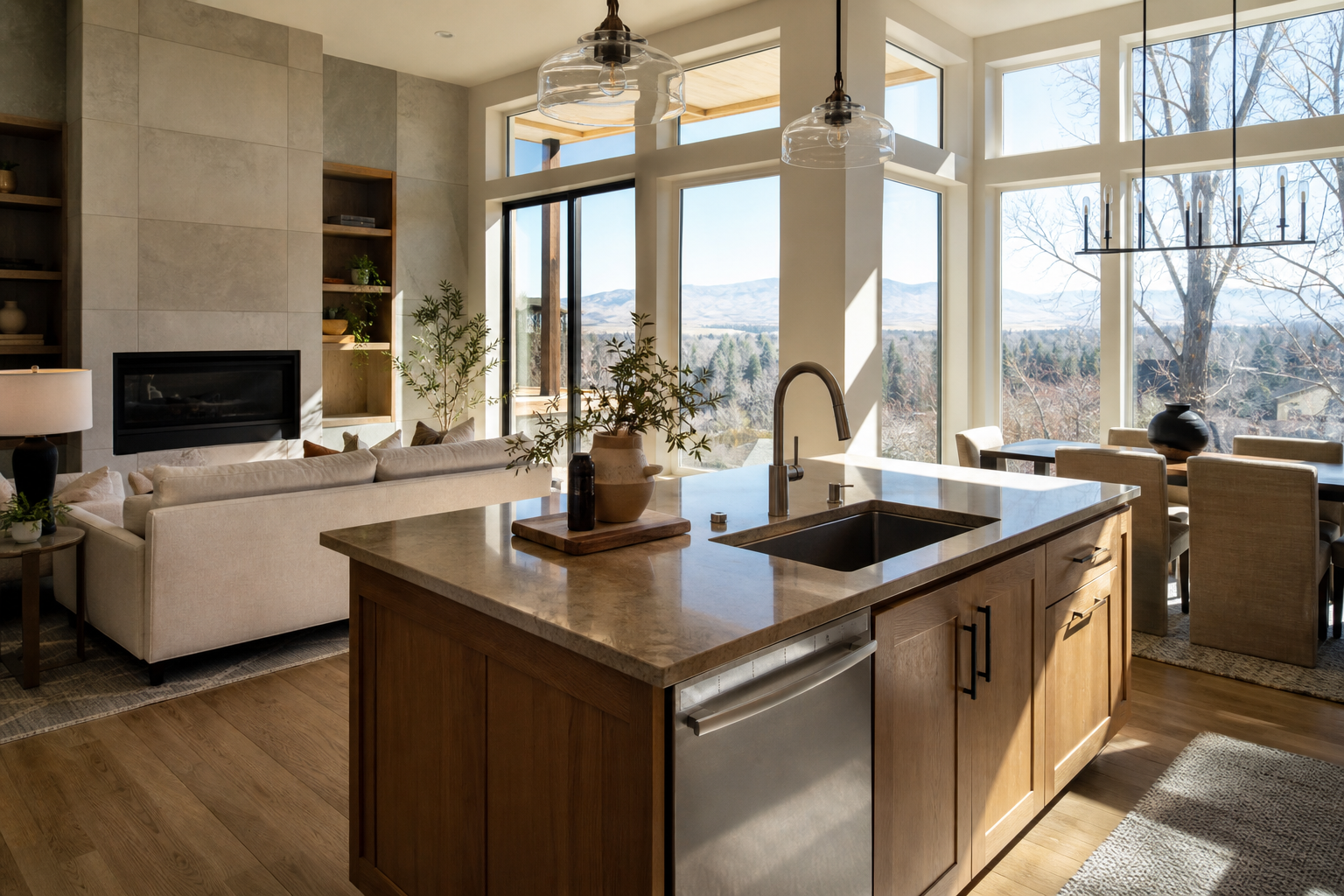
In the 2026 Treasure Valley market, the repairs most likely to pay off before listing are a functional roof (or honest disclosure), a refreshed kitchen, and strong curb appeal. With days on market stretching to 30-60+ days in many segments and inventory rising, condition matters more than it did during the pandemic frenzy.
Which repairs should Idaho sellers make before listing in 2026?
In the 2026 Treasure Valley market, the repairs most worth doing before listing are those that remove buyer hesitation: a roof in defensible condition, a kitchen that photographs well, and a front exterior that earns a second look. With active listings climbing and days on market stretching well past the pandemic-era lows, buyers have the time and the options to walk away from homes that look like projects.
Here's how I walk my sellers through the decision.
Why Condition Matters More in 2026 Than It Did Three Years Ago
The Treasure Valley market has shifted. Active listings across the valley climbed from roughly 3,332 to 3,730 to 3,810 between late June and late July 2026, according to market updates from West Real Estate Group. That rising inventory means buyers are comparing your home against more alternatives every week it sits on the market.
Contrast that with the 12-day average days on market during the pandemic peak, and you get a clear picture: in 2026, homes in many Treasure Valley segments are taking 30 to 60-plus days to go under contract. Portal data from Redfin's Treasure Valley neighborhood trends in Nampa puts average days on market around 55 days in some submarkets, with homes going pending in roughly 51 days. That's not a crisis, but it is a market where condition and presentation are real differentiators.
The sellers who do best right now are the ones who make targeted, strategic improvements before listing, not the ones who pour money into every room or the ones who list as-is and hope for the best. Your specific situation, your home's condition, your price point, and your neighborhood all shape the right answer. That's exactly the kind of analysis I do with every seller before we talk about a list date.
The Idaho Disclosure Reality
Before we get into which repairs are worth doing, there's a legal baseline every Idaho seller needs to understand. Under Idaho Code Title 55, Chapter 25, most sellers of existing residential property are required to complete a Seller Property Condition Disclosure Statement. Idaho Code §55-2508 confirms that the form covers roof condition and age, foundation, plumbing, electrical, heating, drainage, and any unpermitted additions.
The standard Idaho Seller's Property Condition Disclosure form includes a roof section that asks for roof age, whether there is present damage, and whether the roof leaks. There's also a siding section asking about age and known problems. Sellers must deliver a signed and dated copy to each prospective buyer or their agent within 10 calendar days of accepting an offer.
Idaho law requires disclosure, not repair. But what you disclose, and how buyers react to it, directly affects your days on market and your negotiating position.
The Three Repairs Worth Thinking About: Roof, Kitchen, and Curb Appeal
Roof: Fix the Problem or Price for It
A roof with an active leak or visible failing is one of the fastest ways to lose a buyer after inspection. In a market where buyers have 50-plus days to think and compare, a red-flag inspection report gives them the perfect excuse to renegotiate or walk.
Here's how I frame it for my sellers: an older but functional roof, fully disclosed, is usually fine. Buyers understand that roofs age. What they don't tolerate well is surprise, and an undisclosed leak discovered during inspection creates exactly that.
Your options, practically speaking:
- Repair or replace before listing if there's an active leak, obvious damage, or the roof is at end of life. This removes the issue from the inspection report entirely and lets you market the home with confidence.
- Disclose accurately and price accordingly if the roof is aging but functional. A buyer who knows upfront what they're getting into is less likely to blow up the deal than one who discovers it mid-transaction.
- Offer a credit at closing if a full replacement isn't feasible before listing. This is negotiable between buyer and seller, and it's a legitimate path, but expect buyers to price the unknown higher than the actual cost when they calculate what they want.
For a deeper look at what buyers scrutinize on older properties, my post on selling an older Boise home covers this in more detail.
Kitchen: Refresh, Don't Renovate
Full kitchen gut jobs rarely return their full cost in a sale. What does move the needle in 2026 is a kitchen that looks clean, current, and cared for, without requiring the buyer to immediately spend money.
Local agents in Treasure Valley consistently recommend the same short list of high-visibility updates:
- Cabinet paint in a neutral color (white, greige, or soft gray) to modernize without replacement
- Updated hardware on cabinets and drawers
- New light fixtures, especially over islands or peninsulas
- Countertop replacement in mid-to-upper price tiers where buyer expectations are higher
- Decluttering and staging to make even a modest kitchen feel open and functional
The question I hear most often is whether buyers in 2026 expect move-in ready kitchens or will accept homes that need updates if the price reflects it. Honest answer: both exist. But in the current market, a home priced for updates needs to be priced convincingly, and buyers who are comparing three or four options in the same price range will often choose the one that doesn't require immediate work, even if it costs a bit more. Cosmetic updates are almost always completed before listing or in the pre-inspection window, not during escrow, because that's when appraisers and buyers are forming their value opinions.
If you're weighing staging decisions alongside kitchen prep, my post on staging a home for today's buyers has practical guidance that applies across seller situations.
Curb Appeal: The First Filter
With inventory up across Treasure Valley, buyers are filtering homes online before they ever schedule a showing. Your exterior photos are your first impression, and in many cases, your only shot at getting a buyer through the door.
The curb appeal fixes that consistently make the most difference:
- Exterior paint touch-ups or a fresh coat on trim, shutters, and the front door
- Pressure washing driveways, walkways, and siding
- Landscaping cleanup: edging, mulch, trimmed shrubs, and a mowed lawn
- Front door and entry presentation: new hardware, a clean light fixture, a simple welcome element
- Gutter cleaning and minor exterior repairs before photos are taken
Sellers listing in late summer or fall 2026, which is where we are right now, have a window to complete exterior work while the weather is still cooperative. Treasure Valley's dry late-summer conditions are ideal for paint and landscaping work before professional photography. Don't wait until the first rain.
One thing worth noting: the Idaho Seller's Property Condition Disclosure form includes a siding section asking about age and known problems. Deferred exterior maintenance can show up twice, once in your listing photos and again in the disclosure form. Getting ahead of visible issues before listing eliminates that double exposure.
Credits vs. Repairs: How the Negotiation Usually Works
A question I get regularly is whether it's better to offer a credit for repairs rather than doing the work before listing. The short answer is that it depends on timing, scope, and buyer psychology.
In Idaho, repairs agreed upon after inspection are typically handled through an inspection response and repair addendum, with work completed before closing. When repairs can't be finished in time or are larger in scope, a credit applied at closing is a common alternative. Title companies in Idaho, which typically serve as escrow and closing agents, will disburse any negotiated credit per the purchase and sale agreement. There is no statutory requirement that roof, kitchen, or curb-appeal issues be repaired before closing; the legal obligation is accurate disclosure and adherence to the signed contract.
That said, credits have a practical downside: buyers often estimate high when they don't know the actual cost. A repair you complete before listing for a known amount can be worth more to your net than a credit negotiated under uncertainty after inspection. Whether a credit or pre-listing repair makes more sense for your specific home is one of the first conversations I have with sellers before we set a strategy.
| Repair Category | Pre-Listing Fix | Disclose and Price | Post-Inspection Credit |
|---|---|---|---|
| Roof (active leak or failing) | Strongest position; removes inspection risk | Viable if priced aggressively | Risky; buyers estimate high on unknowns |
| Roof (aging but functional) | Optional; disclose age accurately | Common and acceptable with disclosure | May arise post-inspection; negotiate case by case |
| Kitchen (cosmetic) | High visibility; helps photos and showings | Price must clearly reflect condition | Less common; buyers prefer finished kitchens |
| Curb appeal (paint, landscaping) | Highest ROI per dollar in most cases | Hurts online click-through on photos | Not typically a credit item |
For more on how closing costs and credits factor into your net, see my post on what reduces your net proceeds in Idaho.
Frequently Asked Questions
Do I have to replace an older roof before selling in Boise, or can I just disclose it on the Idaho Seller's Property Condition Disclosure Statement?
You are not legally required to replace a roof before selling. Under Idaho Code Title 55, Chapter 25, sellers must disclose known roof conditions, including age, present damage, and whether it leaks, but the law does not mandate repairs. An older but functional roof, fully and accurately disclosed, is commonly sold as-is in Treasure Valley. Where sellers run into trouble is when a known problem goes undisclosed and surfaces during inspection, which can derail a deal or trigger renegotiation.
How much does roof condition really affect days on market in the Treasure Valley right now?
In the current 2026 market, with days on market running 30 to 60-plus days in many Treasure Valley segments and inventory rising, a problematic roof can meaningfully extend your time on market. Buyers have more options than they did during the pandemic frenzy, and a red-flag inspection report gives them leverage to renegotiate or walk. A roof in clearly failing condition tends to scare buyers before they even make an offer, which is why I recommend addressing active issues before listing rather than leaving them to the inspection process.
Is it worth doing a basic kitchen refresh before listing my Meridian home, or should I leave it for the buyer?
A targeted refresh, painted cabinets, updated hardware, new light fixtures, and clean countertops, typically does more for your sale price and days on market than leaving the kitchen untouched. Full renovations rarely return their full cost, but cosmetic updates that make the kitchen photograph well and feel current are generally worth doing before listing. Whether it makes sense for your specific kitchen and price point is something I can walk you through with a pre-listing walkthrough.
Which curb appeal fixes make the biggest difference for selling faster in Nampa or Caldwell?
Pressure washing, a fresh coat of paint on the front door and trim, landscaping cleanup, and clean driveways and walkways consistently deliver the highest visibility per dollar spent. These are also the items that show up first in listing photos, which is where most buyers filter homes before scheduling a showing. With inventory up across Treasure Valley, your exterior photos are competing against more listings than they were two or three years ago.
In today's Treasure Valley market, will buyers still purchase homes that need kitchen updates if the price reflects it?
Yes, but the price has to be convincingly set and clearly reflect the condition. In a market where buyers are comparing multiple options over 50-plus days, a home priced for updates needs to be priced in a way that makes the math obvious to the buyer. When the discount feels uncertain or negotiable, buyers often choose the move-in ready option even at a higher price. Your specific price point and neighborhood matter here, and that's exactly the kind of positioning conversation I have with sellers before we list.
Does it make more sense to offer a credit for roof or kitchen repairs instead of doing the work before listing?
Sometimes, but buyers tend to estimate repair costs higher than the actual cost when they're negotiating under uncertainty. A repair you complete before listing for a known amount often does more for your net than a credit negotiated after inspection. Credits are a legitimate tool when repairs can't be completed before closing or the scope is large, but they work best when the buyer already trusts the overall condition of the home. I walk every seller through this trade-off before we finalize a pre-listing strategy.
The right pre-listing strategy comes down to your home's specific condition, your price point, and what buyers in your neighborhood are actually comparing you against. If you're thinking about listing this fall, now is the time to walk through the property and make those calls before the calendar works against you.
Request a free home valuation and pre-listing consultation and I'll walk through exactly which repairs are worth your time and which ones you can skip.
Equal Housing Opportunity. Joan Johnston is an Associate Broker with eXp Realty, licensed in Idaho, regulated by the Idaho Real Estate Commission. This article is general information only and is not legal, tax, or financial advice. Verify all figures, costs, and contract terms with your attorney, tax advisor, lender, or escrow/closing officer. All information is deemed reliable but not guaranteed and should be independently reviewed and verified.